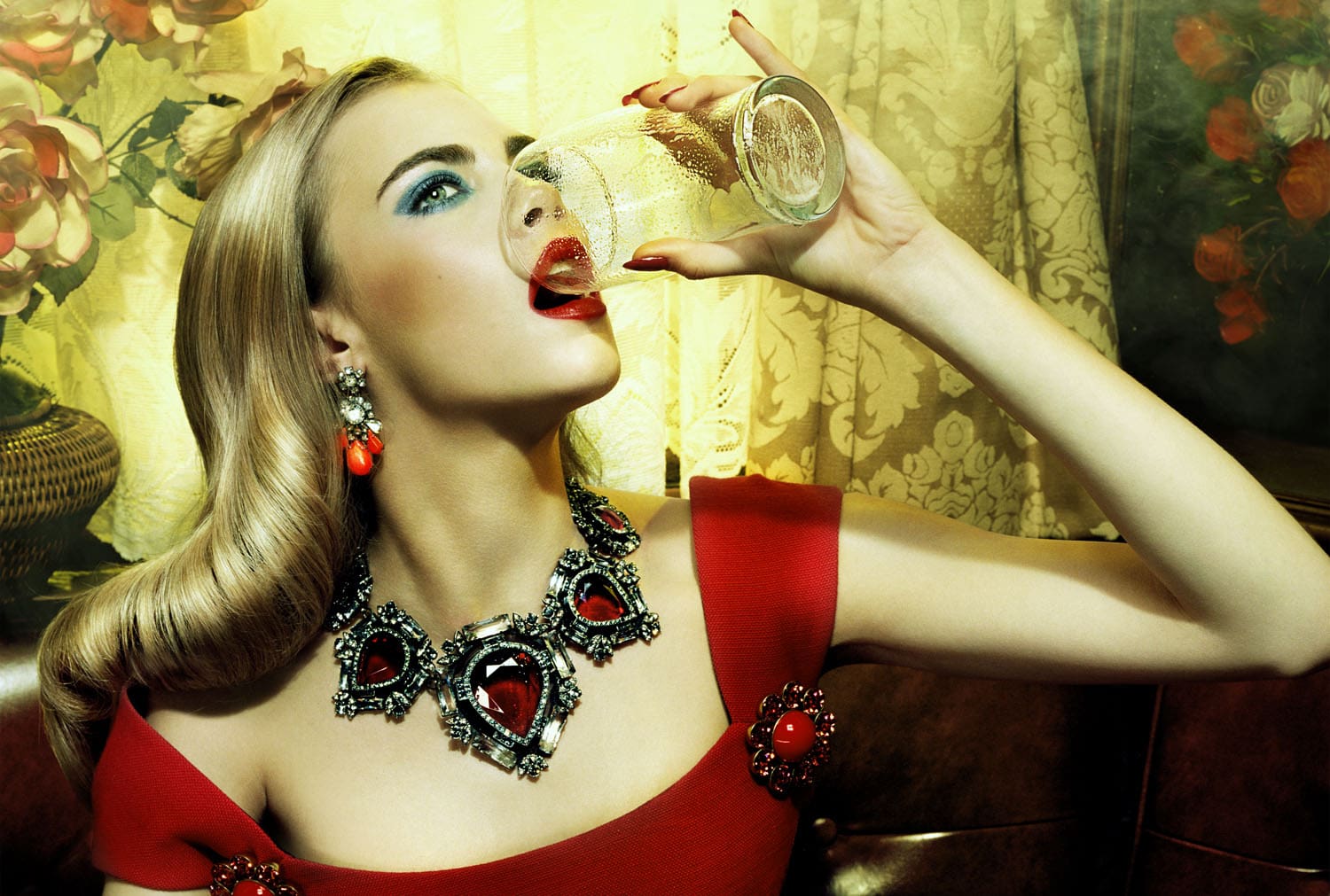
«Входы и выходы» Майлза Олдриджа. Текст Кейт Грейнджер, редактора. RUNWAY ЖУРНАЛ. Фотографии: Майлз Олдридж.
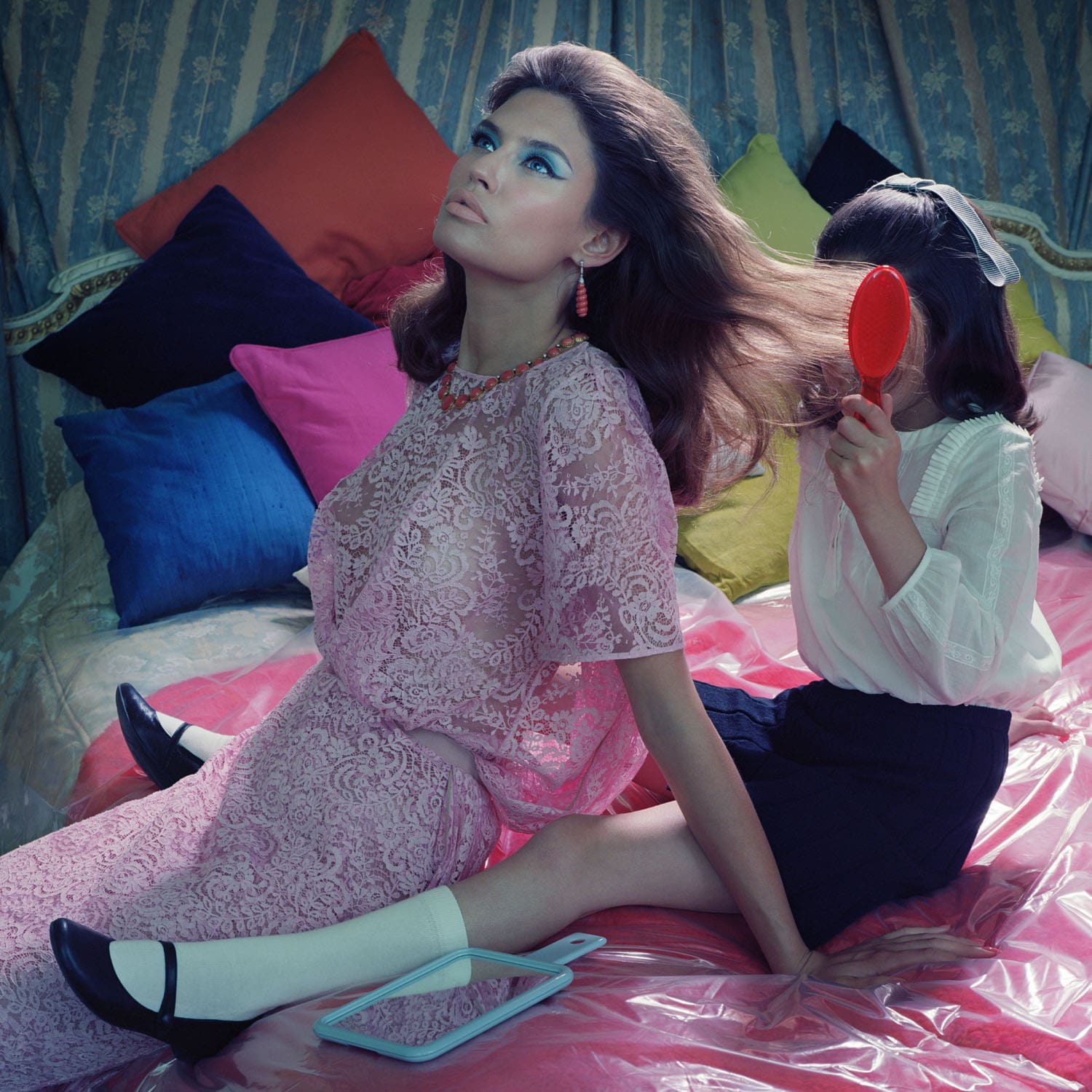
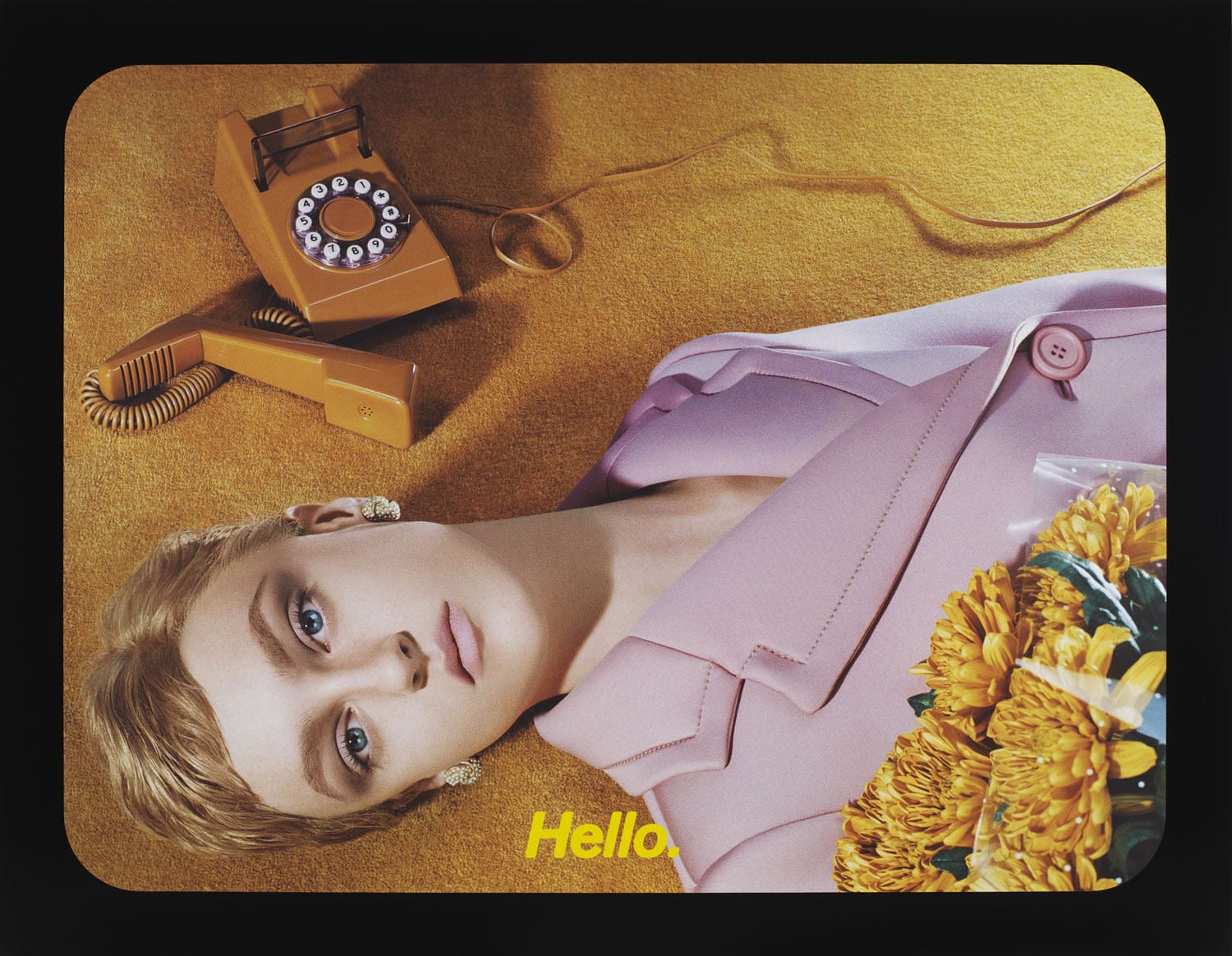
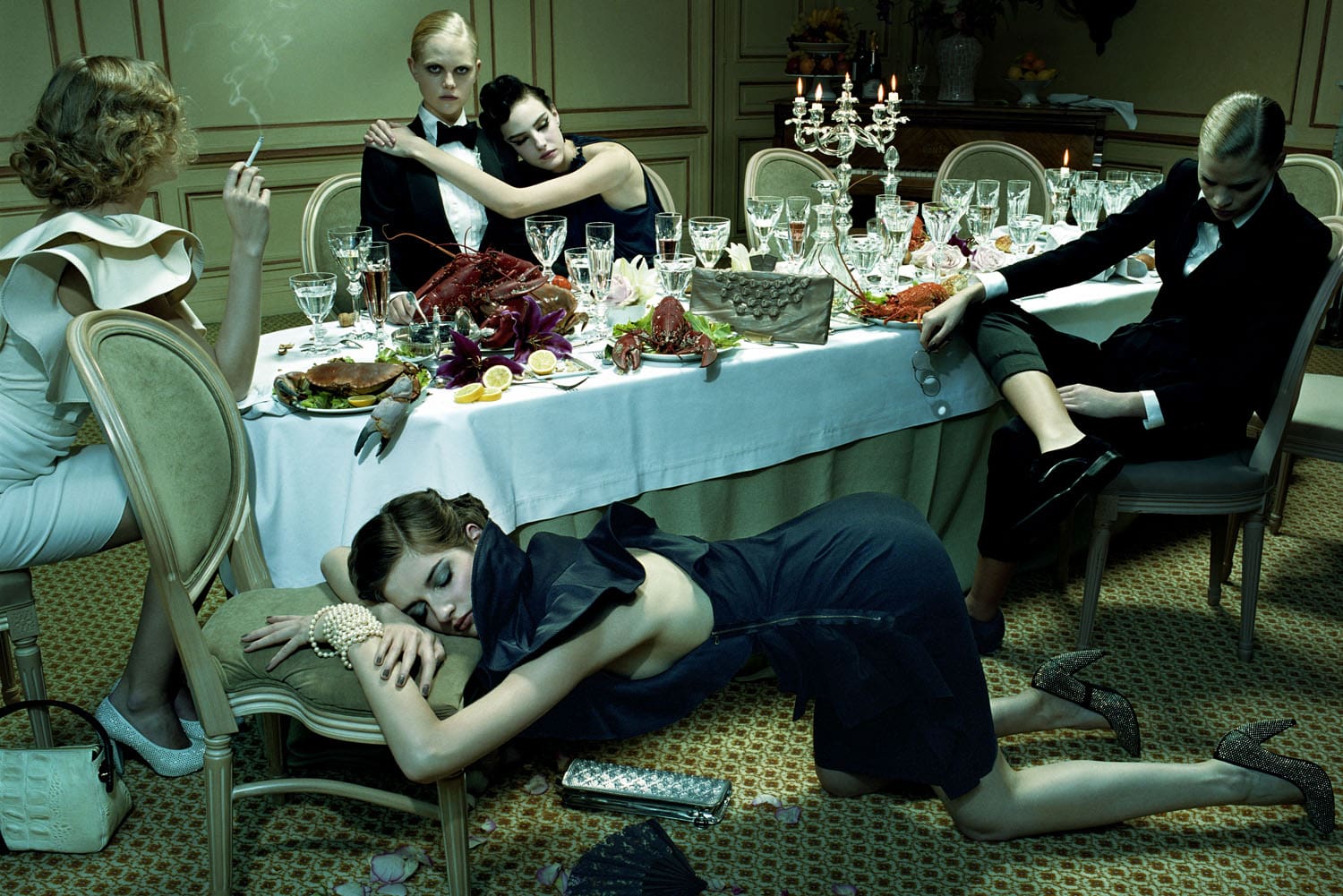
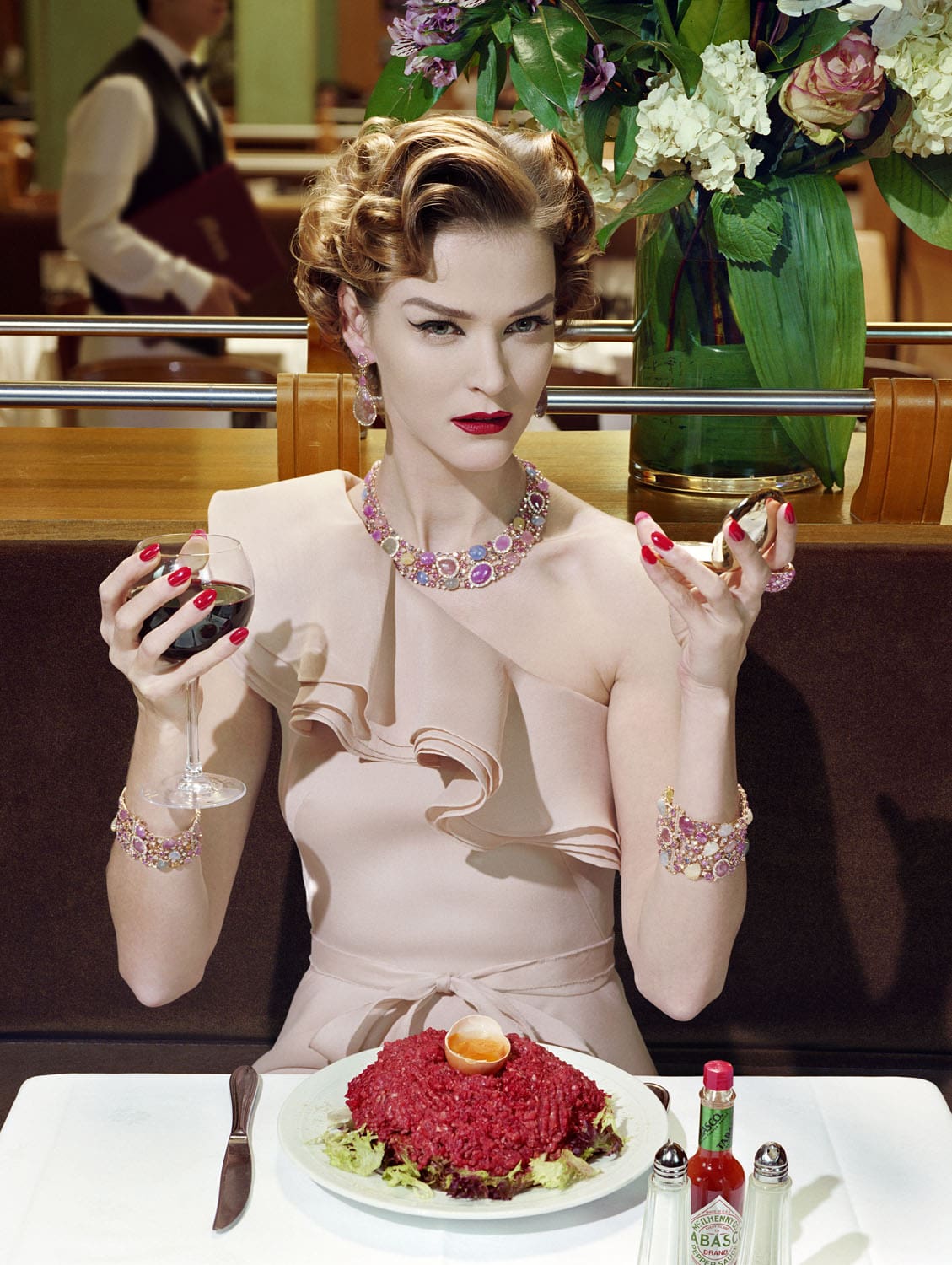
Come mid-October, the quiet luxury of Park Hyatt Paris-Vendôme’s corridors and Café Jeanne will be overtaken by the acid-soaked, hyper-saturated world of British photographer Miles Aldridge for his upcoming exhibition, Входы и выходы (19 октября – 1 декабря 2026 г.). The official press narrative predictably cloaks the showcase in the usual intellectual varnish—framing these cinematic, Technicolor tableaus as an interrogation of illusion, Bergman-esque silence, and modern consumerism. Yet, when you strip away the gallery prose and look directly at what is being staged, the reality is far more unsettling.
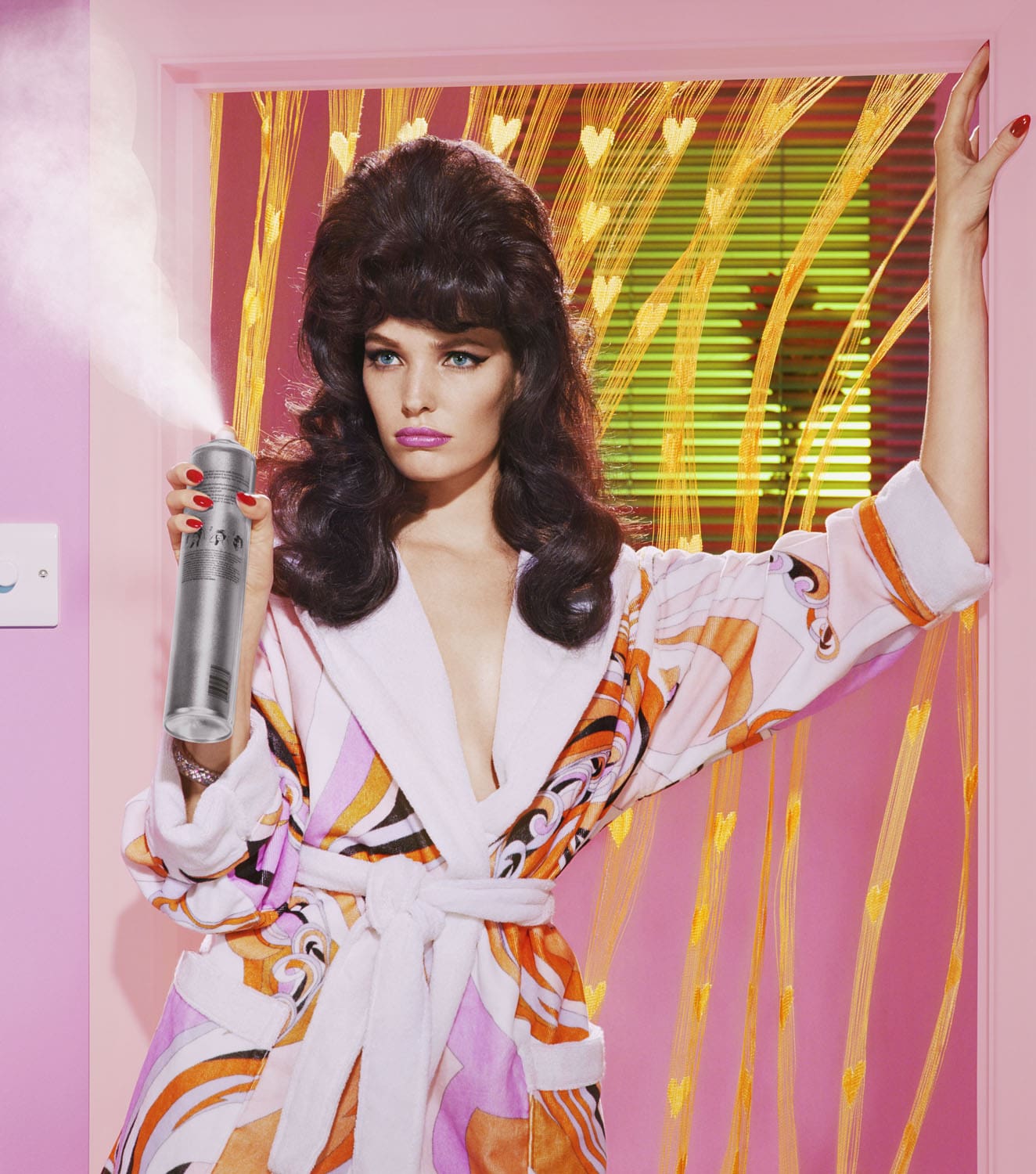
What we are actually looking at is an eighty-year regression. Aldridge delivers a world where women are frozen in a mid-century vacuum: silent, heavily styled, deeply depressed, and utterly devoid of agency. These are not portraits of complex human beings; they are vintage clichés preserved in amber, reflecting an outdated male desire to see women returned to the status of decorative, voiceless dolls.
The visual mechanics of the exhibition rely entirely on women trapped inside decorative cages:
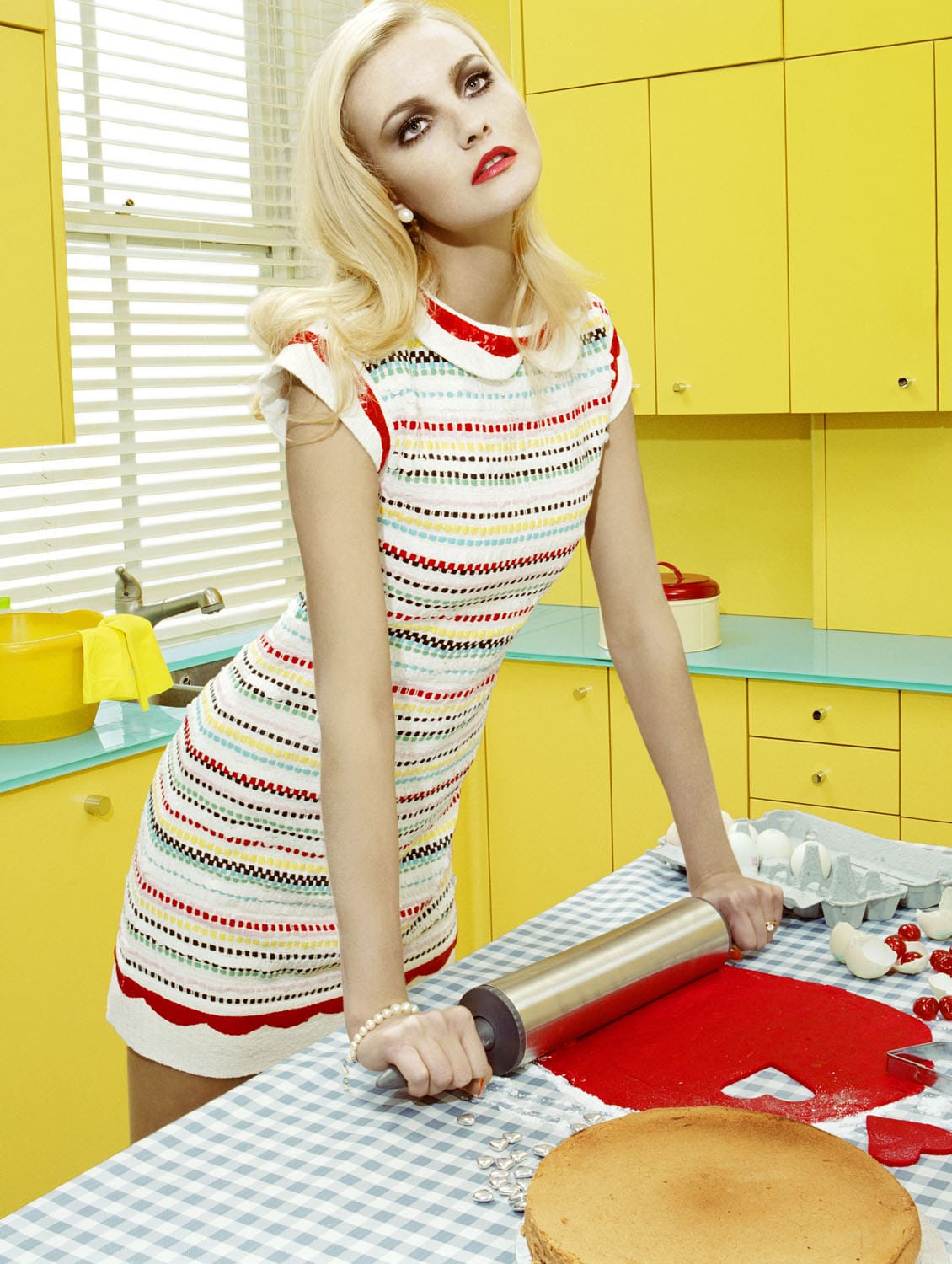
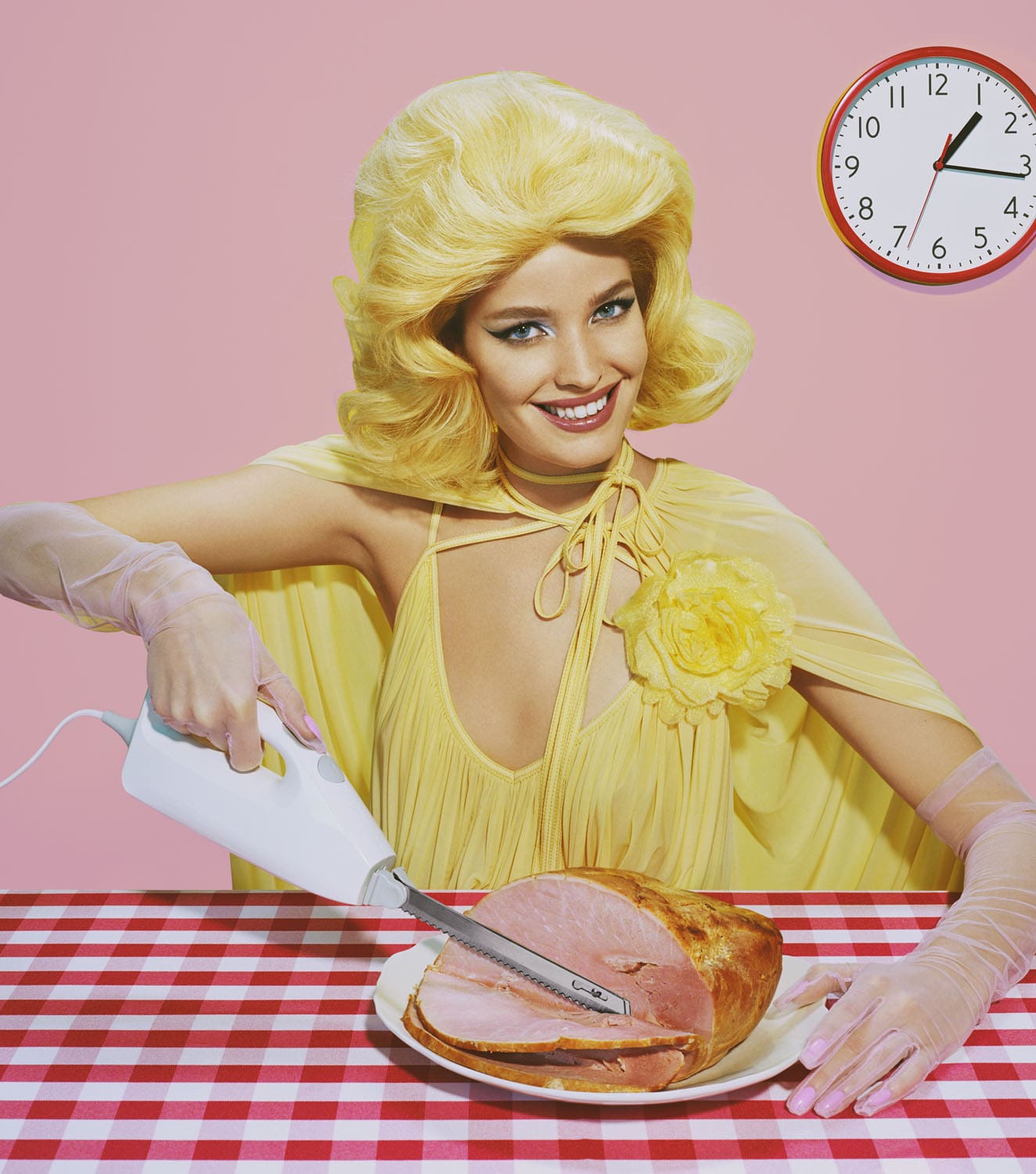
- The Manic Suburbia: In Домашние Работы, a platinum-blonde mannequin in an immaculate graphic dress leans over a yellow laminate counter with hollow, kohl-rimmed eyes, mechanically rolling out blood-red dough. In New Utopias, another retro blonde brandishes an electric carving knife over a roast ham, flashing a synthetic, hostage-like grin under the relentless surveillance of a kitchen clock. Domesticity is staged not as life, but as an aestheticized psychiatric ward.
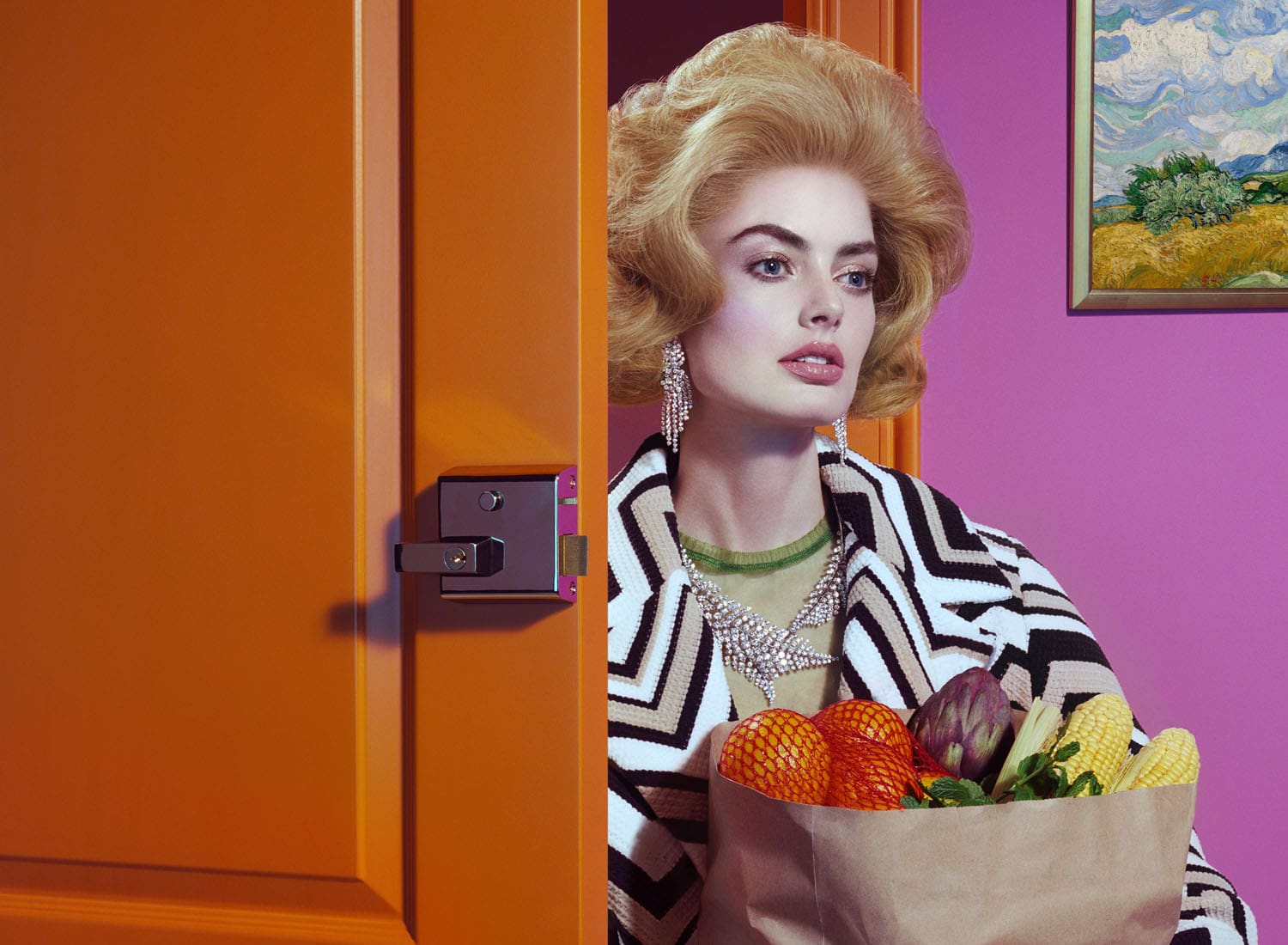
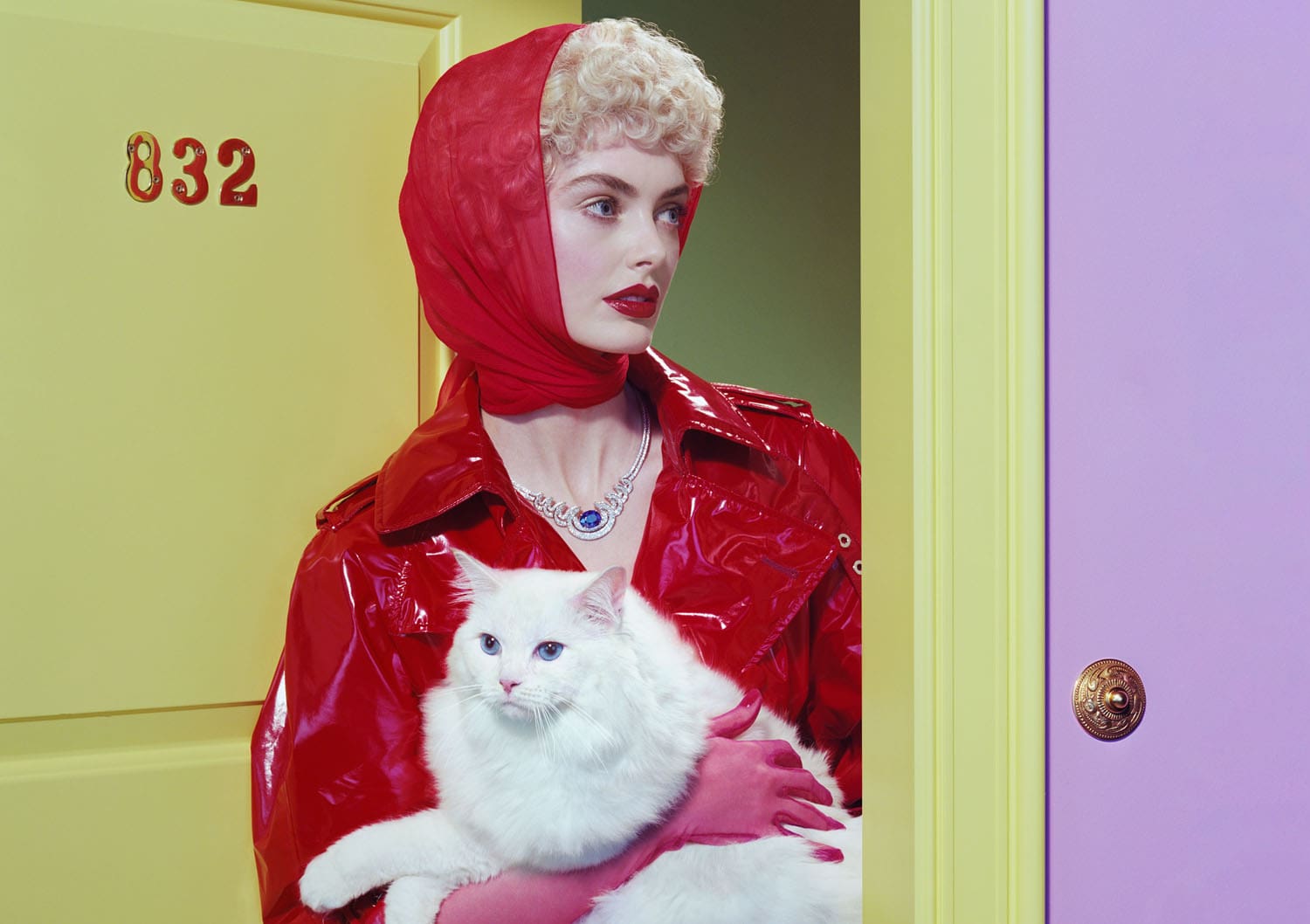
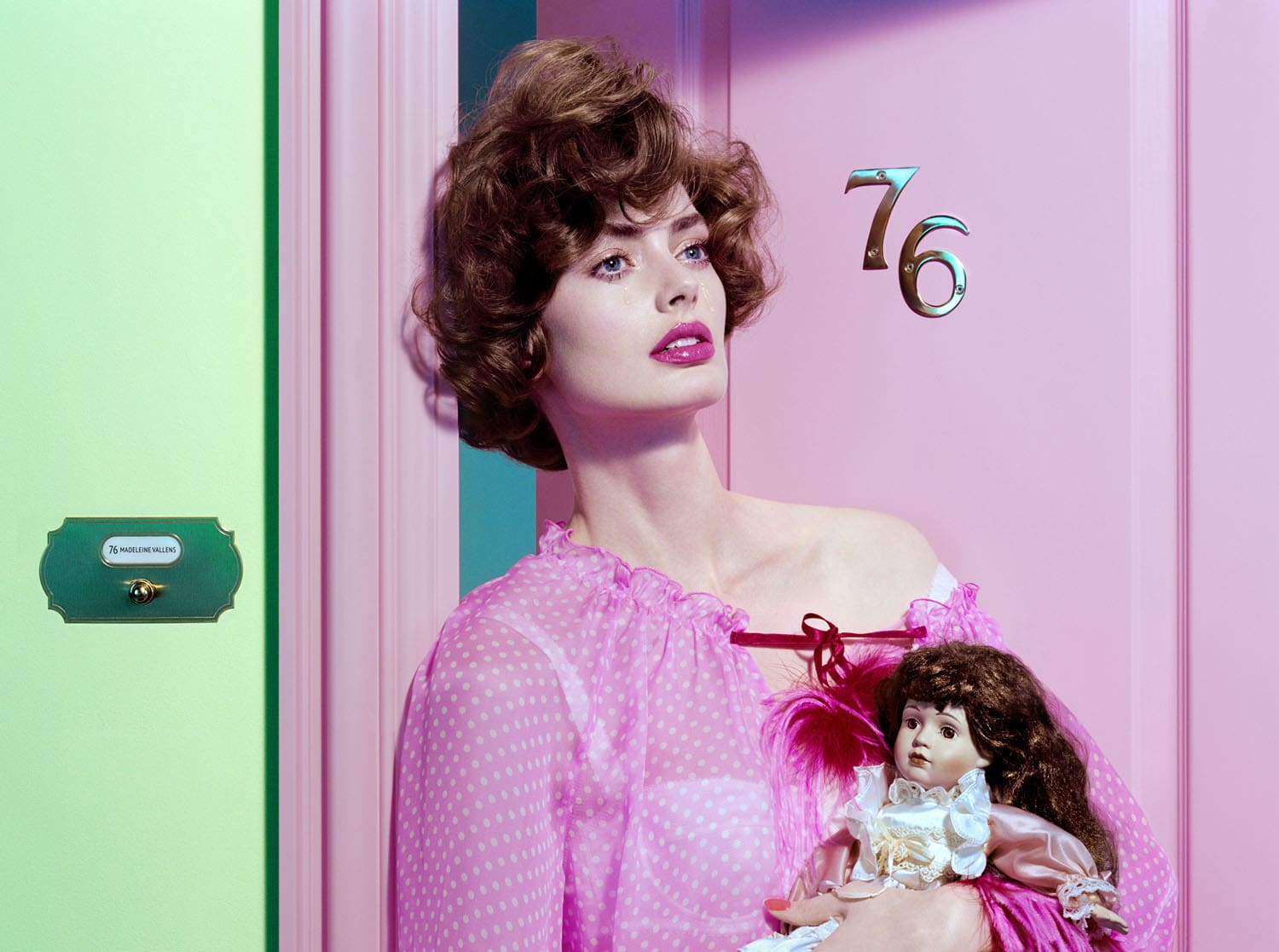
- The Glazed Dollhouse: Через Двери series, women hover in hotel thresholds, suspended in an eternal waiting game. One arrives loaded with diamond necklaces and bouffant hair while clutching a brown paper grocery bag of raw vegetables. In room 76, a woman in sheer pink ruffles clutches a porcelain doll, a single crystalline tear painted on her cheek. In room 832, another stands wrapped in a high-gloss red vinyl trench coat, clutching an emotionless white Persian cat like an accessory to her own isolation.
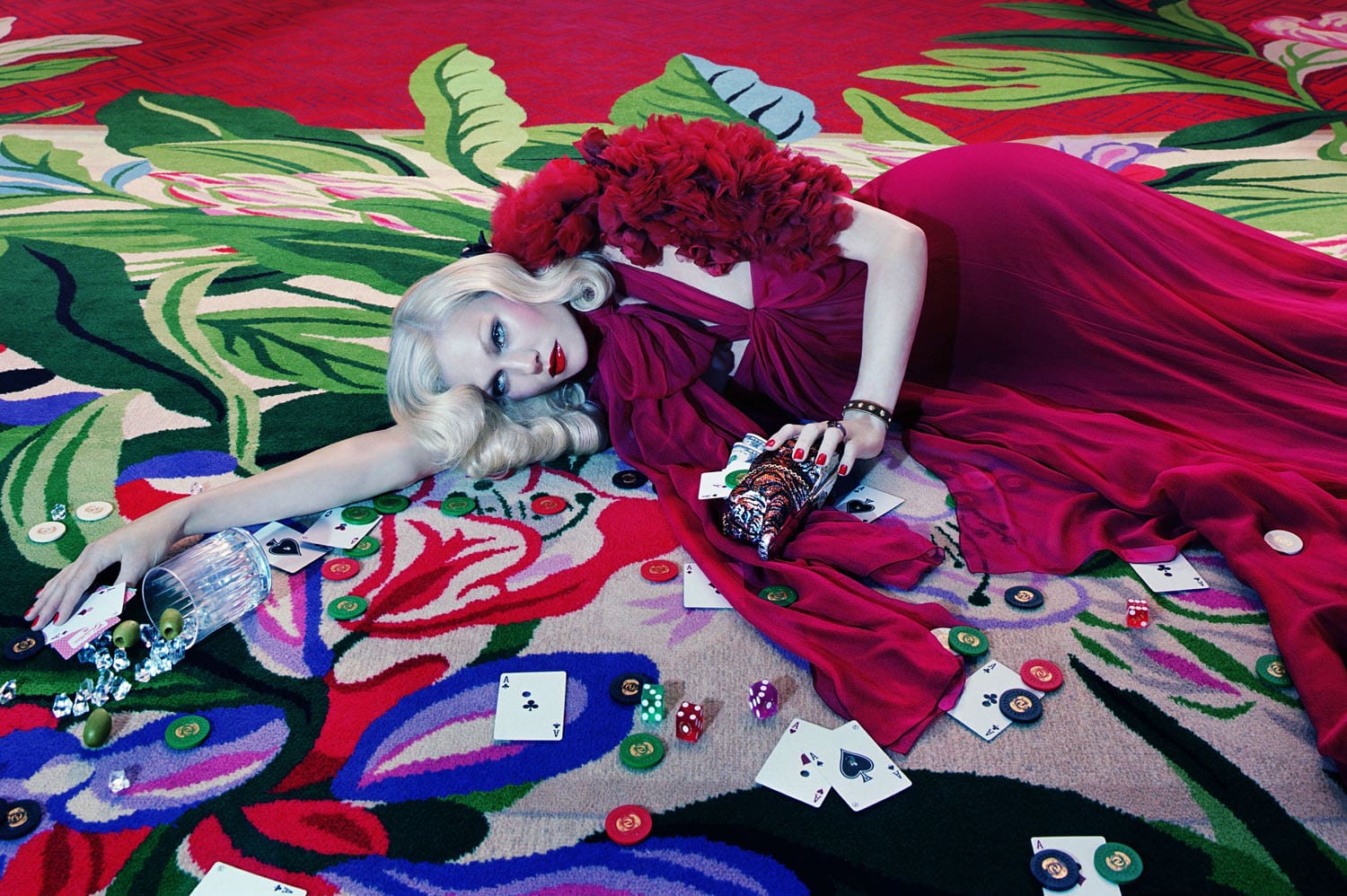
- The Collapsed Femme Fatale: The tragic glamour cliché finds its peak in the casino scene, where a woman in a sweeping scarlet gown lies flat on a lurid floral carpet, surrounded by scattered playing cards, gambling chips, and a spilled glass of diamonds.
The technical execution and lighting are undeniably seductive. Yet packaging profound female melancholy in lipstick, diamonds, and candy colors does not make it subversive. It merely turns voicelessness into an expensive visual product. This body of work does not reflect modern reality or feminine complexity—it reflects a lingering fantasy where women are simply beautiful, troubled things for the viewer to play with, kept safely behind doors they are never permitted to cross.